
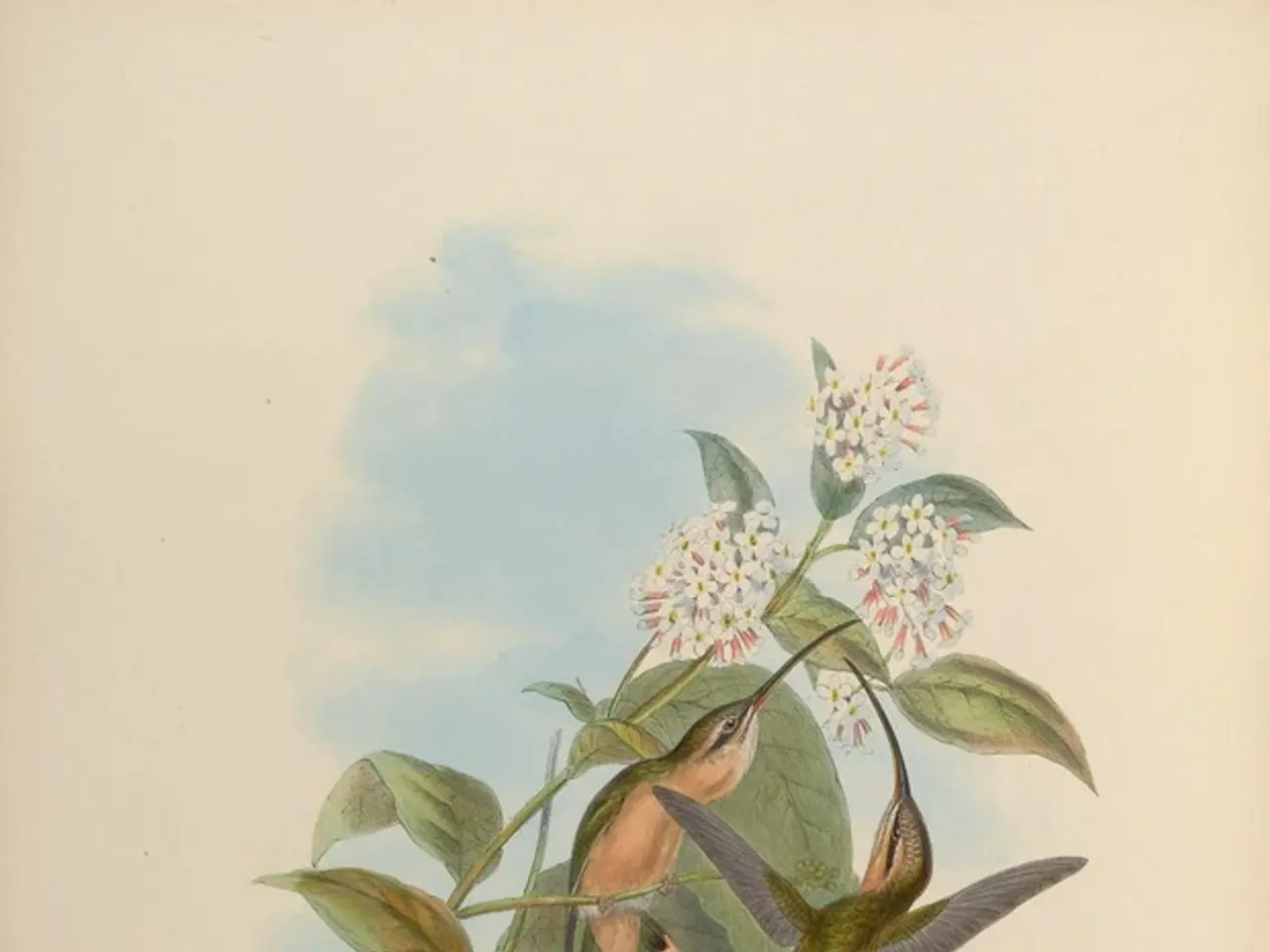
Guides for Botanical Drawing: Mastering the Art of Nature Sketching
Unveiling the Art of Botanical Drawing: A Comprehensive Guide
Botanical drawing, a captivating blend of art and science, has been capturing the essence of plants and flowers for thousands of years. From ancient civilizations documenting plant species to the modern-day masterpieces adorning art galleries, this unique art form continues to thrive.
The foundation of botanical drawing lies in choosing the right tools and materials. Graphite pencils, colored pencils, mechanical pencils, black ink, colored inks, and waterproof ink are among the commonly used mediums. The choice of the right pencils and inks is crucial, as they play a significant role in creating realistic shades and tones.
For those starting their botanical drawing journey, there are a plethora of resources available. Books such as 'The Beginner's Guide to Keeping a Botanical Sketchbook' guide beginners on starting and maintaining a botanical sketchbook, while 'Unraveling Roots: A Step-by-Step Botanical Guide for Artists' offers detailed techniques on drawing botanical roots using colored pencils and watercolor.
More experienced artists may find 'New Botanical Painting by Harriet de Winton' or 'Watercolor Wisdom by Kristine Rapohina' more appealing. These books contain more than 30 step-by-step projects on painting flowers and foliage, and feature 15 projects with printed line drawings and accompanying QR-linked video tutorials, respectively.
Online courses like 'Intro to Dramatic Graphite Botanicals with Courtney Hopkins' also offer interactive learning, providing step-by-step guidance and dramatic shading techniques for those interested in realistic botanical drawing with graphite pencils.
Nature inspiration is a key factor in selecting colors for botanical art. Understanding color theory and color harmony, such as using complementary or analogous colors, enhances the ability to represent plants and flowers accurately. A basic palette for beginners includes Cadmium Yellow, Alizarin Crimson, Ultramarine Blue, Phthalo Green, and Burnt Sienna.
Shading adds depth to drawings, and techniques include identifying the light source, shading dark areas, blending, and texturing. Layering builds colors gradually, starting with light colors and adding darker shades for depth. The wet-on-dry method gives sharp edges and more control, while the wet-on-wet technique produces soft edges and blends colors seamlessly.
Sketching fundamentals involve observation, proportions, lines, and composition. A limited palette helps artists understand color mixing better, while watercolor paper is ideal for wet techniques, and sketch paper, mixed media paper, and illustration board are suitable for dry techniques.
Botanical drawing enhances learning in education by fostering creativity and critical thinking through hands-on activities. It serves many purposes, including observation skills, scientific understanding, creative expression, historical record, and environmental awareness. So, whether you're an artist, a student, or a nature enthusiast, the art of botanical drawing offers a rich and rewarding experience.
Delve deeper into your artistic journey with the world of fashion-and-beauty and lifestyle, as botanical drawings can add a touch of natural elegance to your personal sketches or even serve as unique accessories. A botanical-themed sketchbook can make a stylish statement when paired with floral-patterned clothing or home-and-garden decor.
As a lifelong learner, you might find the process of botanical drawing a perfect segue into education-and-self-development. Embracing this art form can help foster your creative skills, expand your knowledge of plants, and even contribute to environmental awareness and conservation efforts.