
Evolving African Agriculture: Utilizing Technology for a Sustainable and Wealthy Tomorrow
Africa, home to 60% of the world's uncultivated arable land, continues to grapple with food insecurity and remains a net food importer. However, the continent is poised for a dramatic shift, as technological innovations are driving agricultural transformation.
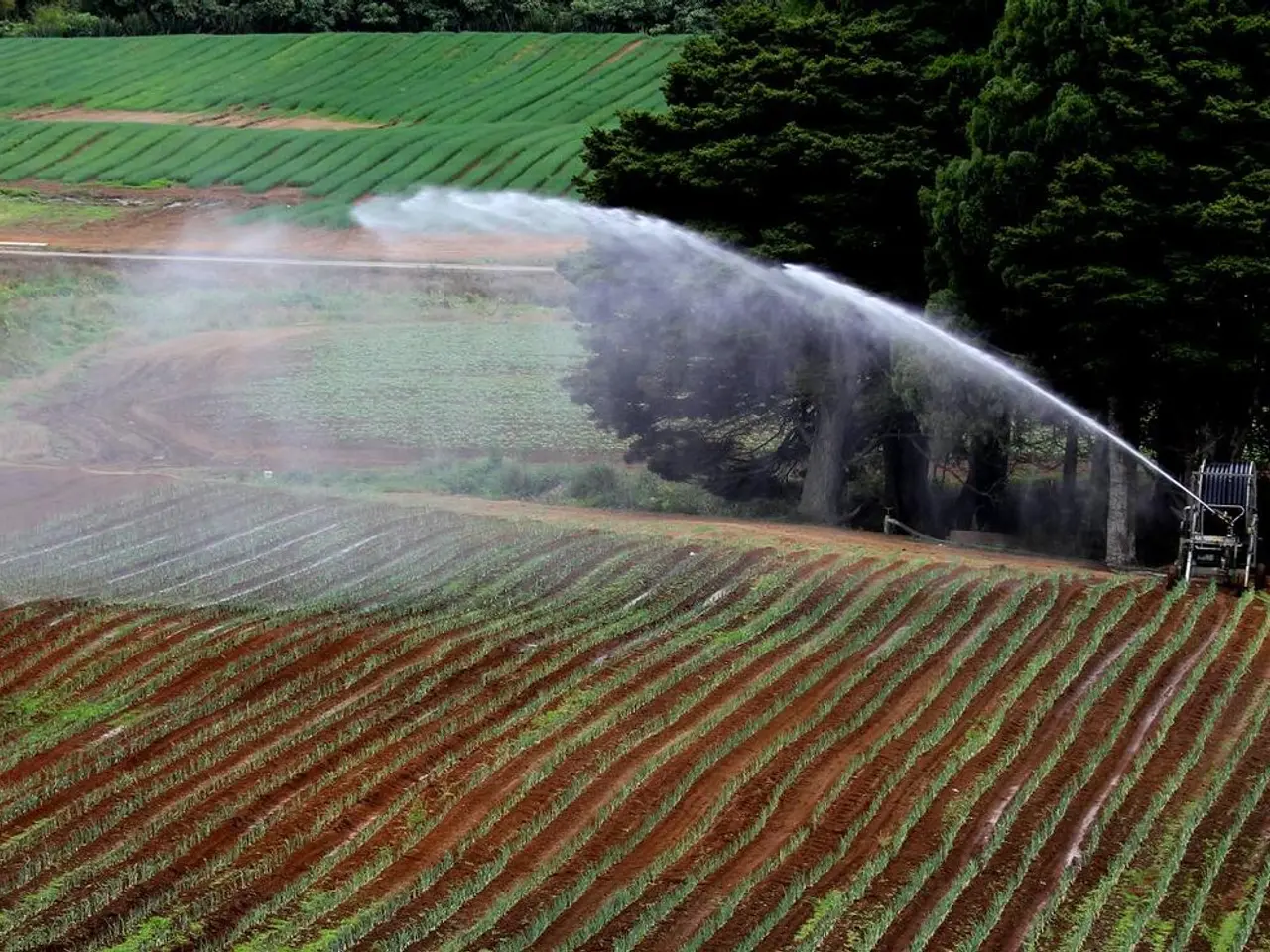
Key technological advancements are shaping the agricultural landscape in Africa. Artificial Intelligence (AI) and Big Data are revolutionising farming practices, with AI-powered agronomic advisors and precision agriculture optimising resource use, such as water and fertilizers, thereby improving yields and reducing costs. The Internet of Things (IoT) is also making its mark, with IoT-enabled irrigation systems adjusting watering based on real-time soil moisture and weather data, enhancing efficiency in water-scarce regions.
Blockchain technology is providing transparency and traceability in the value chain, facilitating access to finance and markets for farmers. Biotechnology is playing a crucial role in developing climate-resilient and disease-resistant crop varieties, such as drought-resistant maize, to enhance food security and resilience. Satellite Imagery and Drone Technology are being utilised for crop stress monitoring, pest detection, and precision seeding, enabling early action against droughts and pests.
These innovations address several challenges faced by Africa's agricultural sector. Food insecurity is being addressed through precision agriculture and climate-resilient crops, which improve yields and enhance food availability. Youth unemployment is being addressed by encouraging youth involvement in Ag-Tech through innovations like drone-assisted farming and digital tools, creating employment opportunities. Economic growth is being driven by increasing productivity and efficiency, leading to improved agricultural outputs and better market access for farmers.
However, there are challenges that need to be addressed for these technologies to be widely adopted. Poor internet connectivity and low digital literacy in rural communities pose significant hurdles. Many agricultural technologies remain too expensive for smallholder farmers. To overcome these obstacles, there is a need to expand digital infrastructure in rural regions, facilitate access to financing for agri-tech implementation, and enhance human capacity via education and skill development.
Encouraging climate-resilient farming practices, fostering collaboration between technology developers, farmers, and government bodies, and focusing on biotechnology and improved seeds are key focus areas for Africa's agricultural future. Mobile-based platforms, such as iCow, AgriPredict, and Farmerline, provide farmers with timely, actionable information like weather updates, market prices, and farming advice.
In Nigeria, the service Hello Tractor functions as an "Uber for tractors," allowing farmers to rent tractors via a mobile app, enhancing mechanised farming and productivity. Kenya's SunCulture provides solar-powered irrigation kits, enabling smallholder farmers to cultivate year-round and boost their incomes.
Digital marketplaces like Twiga Foods and M-Farm link farmers directly to buyers, eliminating intermediaries and ensuring fairer prices. Africa's agricultural future holds great promise with the right investments and policies in place, allowing farmers, regardless of size, to not only feed the continent but also become key players in global food markets.
Rwanda's Zenvus is an agri-tech firm that uses sensors to gather data on soil nutrients and moisture, assisting farmers in optimising their resources. More than 280 million Africans are currently facing hunger. Agriculture presents a significant opportunity to generate jobs for Africa's expanding youth population.
Precision Agriculture is revolutionising African farming, using satellite imagery, drones, and sensors to monitor soil health, predict weather patterns, and apply water and fertilizers precisely. Renewable Energy Solutions such as solar-powered cold storage, water pumps, and processing equipment are enhancing sustainability and enabling off-grid farming operations. Smart Irrigation Systems using IoT technology deliver precise water amounts to crops, enhancing efficiency and conserving water.
Transforming Africa's agriculture could lift millions from poverty and drive development in rural areas. With the right strategies and investments, Africa's agricultural sector can become efficient, profitable, and sustainable, feeding not only the continent but also becoming key players in global food markets.
- The integration of technology in agriculture, such as Precision Agriculture and Renewable Energy Solutions, is revolutionizing food-and-drink production in Africa, aiming to enhance efficiency, reduce costs, and improve yields.
- Education-and-self-development initiatives are crucial in addressing the challenges of technology adoption in Africa's rural communities, as increased digital literacy and human capacity will facilitate the use of technological advancements in agriculture like Artificial Intelligence, Big Data, IoT, and Biotechnology.