Coexisting with Wild Buffalo Herds in Urban Hong Kong
A recent study published in *People and Nature* has shed light on the complex human-animal relationships between feral water buffalo and Hong Kong's population. The research, led by animal behaviour and welfare specialist Alan McElligott, offers insights into public perception and proposed management strategies.
### Key Findings
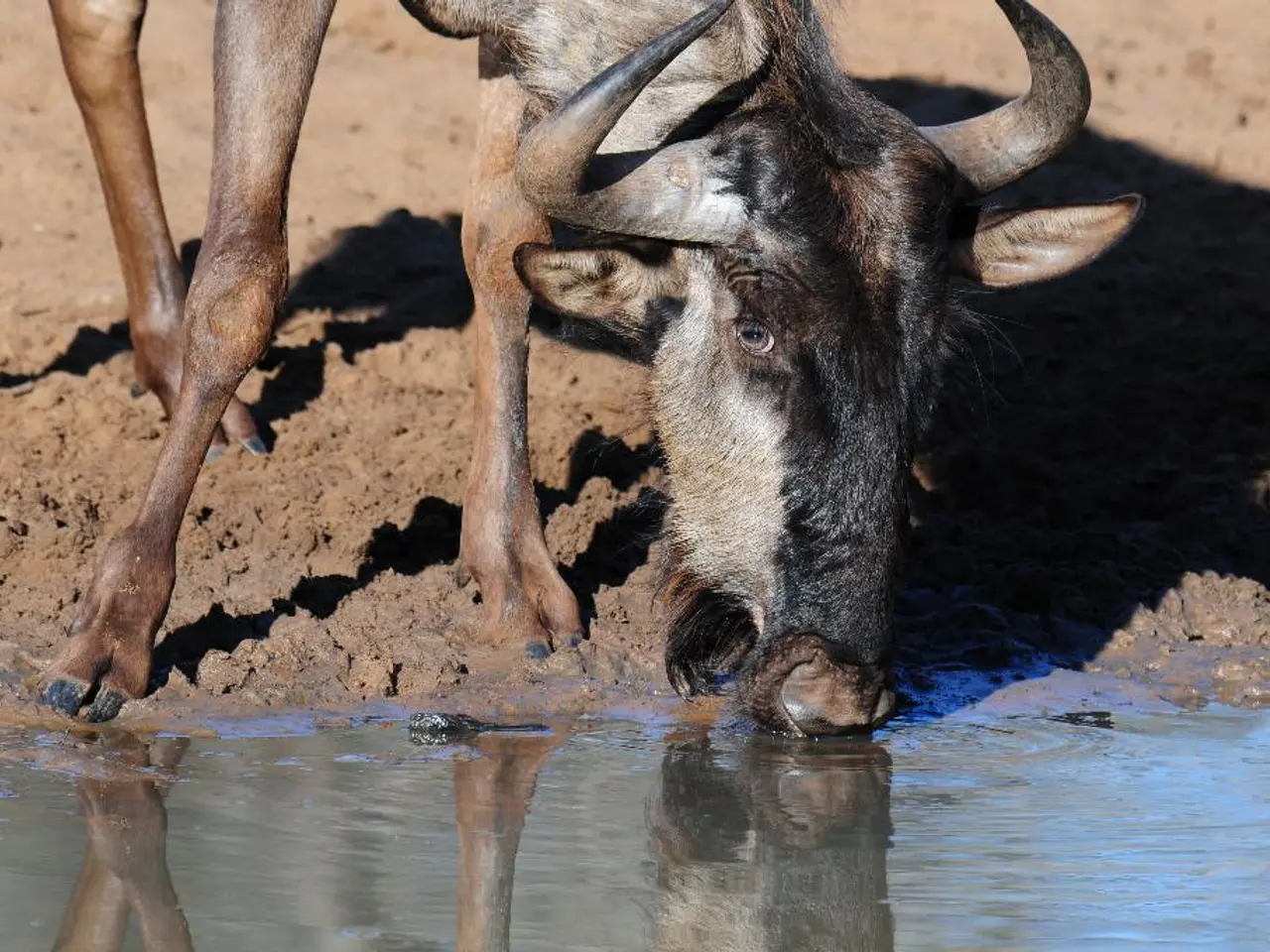
The study, based on 657 survey responses, including 550 online and 107 in-person interviews, reveals that there are approximately 180 feral water buffalo living in the southern marshlands of Lantau Island, Hong Kong's largest island.
Residents have mixed feelings about the buffalo, with some viewing them as a connection to Hong Kong's rural past, while others express concerns about safety, environmental impact, and traffic disruptions. Demographic factors such as age, gender, ethnicity, and whether respondents live on Lantau Island influence opinions about the buffalo.
Emotional responses were common, with a majority expressing fondness for the buffalo or neutral attitudes, and a minority noting concern over safety risks. Interestingly, familiarity with wildlife in rural areas often leads to more positive perceptions of the water buffalo.
### Management Strategies
The study proposes tailored management strategies that acknowledge the ecological and cultural significance of the buffalo while addressing human-animal conflicts. Implementing educational programs can foster public support for conservation efforts by highlighting the buffalo's role in biodiversity and cultural heritage.
Carefully designed policies are needed to balance the historical significance of the buffalo with the challenges of modern urban living. Kate Flay, a specialist in livestock animal health, is involved in the study and emphasises the importance of understanding diverse perspectives on human-buffalo cohabitation to develop effective management strategies that promote harmony between humans and wildlife in Hong Kong.
### Implications
The results of the study can inform the need for tailored management strategies that acknowledge the buffalo's ecological and cultural significance while addressing human-animal interactions and conflicts. About 41% of respondents viewed education and preservation issues surrounding the buffalo positively, while 13% were highly negative. Social benefits and advocacy were considered positively by 19% of participants, while 15% were highly negative.
A quarter of Hong Kong residents were highly positive about the water buffalo, while 14% were highly negative, and 61% were neutral. The feral water buffalo provide an accessible link to nature and an opportunity to understand human-animal interactions in urban landscapes.
Hong Kong, with an area of 1,115km and a human population of roughly 7.5 million, continues to grapple with the challenges of urbanisation and wildlife conservation. The study on water buffalo in Hong Kong offers valuable insights into the intersection of humans, animals, and the environment in densely populated urban areas.
The study suggests that education and self-development programs focused on the water buffalo's role in biodiversity and cultural heritage could foster positive perceptions among residents, as 41% of respondents viewed education and preservation issues positively. In terms of lifestyle, the study finds that residents have mixed feelings towards the buffalo, with some appreciating them as a connection to Hong Kong's rural past and others expressing concerns about safety, environmental impact, and traffic disruptions. General news highlights the implications of this research, as it offers valuable insights into human-animal interactions in urban landscapes, particularly in densely populated areas like Hong Kong.